May 5, 2026
Your gutter system does far more than move rainwater away from the roof. It helps protect siding, landscaping, the foundation, and even the structural integrity of the home. When gutters begin to fail, the warning signs often appear gradually, making them easy to overlook until water damage becomes a much larger problem.
Recognizing those signs early can help you avoid costly repairs and determine when professional gutter installations may be the right solution. If your current system is aging or showing wear, paying attention to these indicators can help you act before minor concerns become major issues.
1. Watch for Visible Cracks and Surface Damage
Small cracks in gutters may not seem urgent at first, but they often indicate a system beginning to break down. Tiny fractures can expand over time as gutters face heavy rain, temperature shifts, and seasonal debris. What begins as a minor split can lead to leaking water that damages fascia boards, siding, or landscaping below. Rust spots, holes, and separated seams can also suggest the material is deteriorating beyond simple repair. In many cases, repeated patching becomes less practical than considering full gutter installations designed for long-term performance. Addressing structural damage early can help preserve the parts of the home that gutters are meant to protect.
Peeling paint near the gutters can also signal ongoing moisture exposure. Water escaping through damaged sections may repeatedly soak nearby surfaces, creating visible wear around rooflines and trim. You may notice corrosion developing at connection points where gutters have weakened over time. If sections pull away from the house, it often points to mounting failures or material fatigue. Replacing worn components with updated gutter installations can improve reliability and appearance at the same time. When damage becomes visible from the ground, it is often worth a closer inspection.
2. Notice Water Pooling Around the Foundation
Water collecting near the base of your home can be one of the clearest signs that gutters are no longer directing runoff where it should go. Gutters are designed to move rainwater safely away from the foundation, helping prevent erosion and moisture intrusion. When they clog, sag, or overflow, that water often ends up pooling where it can do damage. Soft soil, washed-out mulch, and standing water around the home may all point back to gutter issues. These signs should not be ignored because foundation concerns can become expensive quickly. In many situations, updated gutter installations can restore proper drainage and help protect the structural stability of the property. Effective water management starts with a system that can handle runoff efficiently.
Basement dampness can sometimes trace back to failing gutters as well. If water repeatedly spills too close to the home, it may eventually contribute to leaks or moisture problems indoors. Erosion near walkways or planting beds may be another clue that runoff is escaping in the wrong places. According to HomeGuide, many homes have between 100 and 200 linear feet of gutters, roughly one-tenth of the home's square footage, which highlights how much of the property relies on this drainage system functioning properly. When such a large system starts failing, the impact can extend far beyond the roofline. Replacing undersized or aging systems with professionally designed gutter installations can improve both drainage performance and long-term protection. Paying attention to water patterns after storms can reveal problems before damage worsens.
3. Look for Frequent Overflow During Rainstorms
A gutter system that overflows whenever it rains is often sending a message that something is wrong. Overflow may happen because of clogs, improper pitch, undersized gutters, or aging sections that no longer channel water efficiently. When water spills over the edges regularly, it can damage siding, stain exterior surfaces, and saturate the ground below. Heavy runoff pouring over one area may also suggest uneven sections or hidden blockages. While occasional debris removal can help, repeated overflow often points to deeper issues that may call for new gutter installations. A properly functioning system should move water smoothly even during substantial rainfall. If storms consistently reveal weak performance, it may be time to evaluate replacement options.
Overflow can sometimes show up in subtle ways before becoming severe. You may notice water streaks on the siding or mud splashing onto the exterior walls after rain. Gutters that pull away when filled with water may also indicate the system can no longer manage runoff loads. In some homes, repeated overflowing contributes to wood rot around soffits and fascia. These warning signs often develop slowly, making them easy to dismiss until repair costs begin to rise. Modern gutter installations can often improve capacity while reducing maintenance concerns compared with older systems. If rainfall exposes repeated drainage failures, replacing the system may provide stronger protection moving forward.
4. Pay Attention to Sagging or Detached Sections
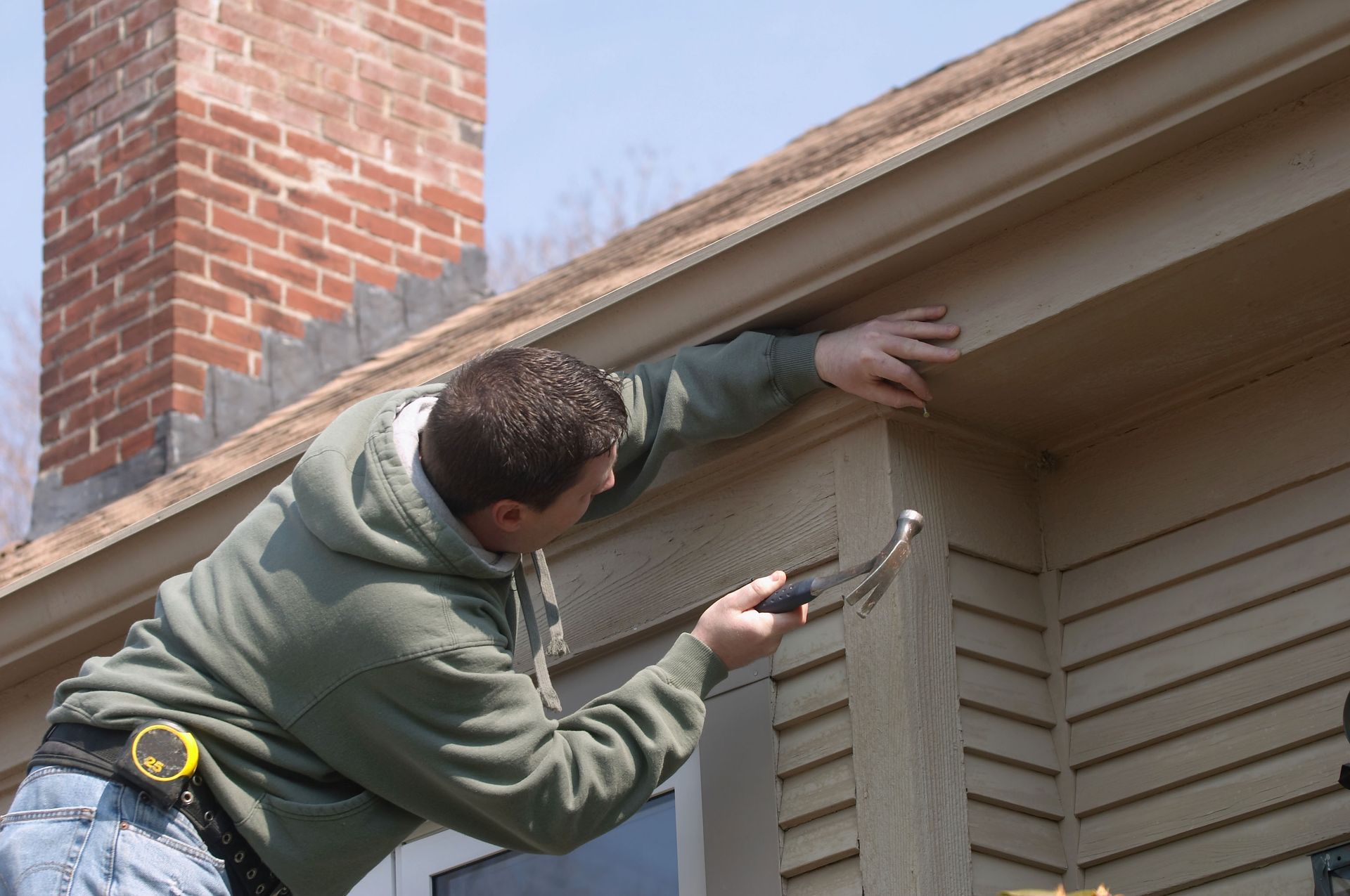
Gutters should sit securely along the roofline and maintain a consistent slope for proper drainage. When sections begin sagging or pulling away from the home, it often means the system is under stress. Excess debris weight, aging fasteners, or prolonged water exposure can all contribute to this problem. A sagging gutter may hold standing water, adding even more strain and accelerating deterioration. Detached sections often indicate repairs may no longer offer a lasting fix. In many cases, professionally planned gutter installations provide a stronger and more dependable solution than repeated spot repairs. Structural alignment matters because even small shifts can interfere with water flow.
You may notice screws loosening, brackets separating, or visible dips forming along the gutter line. These signs often suggest the system is no longer functioning as designed. Water trapped in low spots can also increase the risk of rust or leaks developing. If sagging appears in multiple places, it may point to widespread wear rather than an isolated issue. Replacing an aging system can help restore proper drainage while improving the home's exterior appearance. Updated gutter installations may also provide stronger attachment systems designed for durability. Catching these warning signs early can prevent more extensive damage around the roofline.
5. Check for Peeling Paint, Rot, or Mold Growth
Exterior deterioration near gutters often signals that moisture is escaping where it should not. Peeling paint, stained siding, and rotting wood may all point to leaks or chronic overflow. When water repeatedly reaches areas meant to stay dry, visible damage often follows. Mold or mildew near soffits and fascia can be another clue that moisture problems have developed over time. While surface repairs may address the symptoms temporarily, the underlying gutter problem still needs attention. In many cases, replacing failing components through new gutter installations helps stop the source of moisture damage. Protecting the home often starts by correcting water control issues at the roofline.
Rot around trim boards can worsen quickly if water exposure continues unchecked. Homeowners may also notice discoloration beneath gutter seams where leaks have formed. In humid conditions, persistent moisture can encourage mildew growth that affects both appearance and materials. These issues may seem cosmetic at first, but they can signal larger drainage failures. A properly functioning gutter system should help prevent this kind of ongoing exposure. Upgrading through well-designed gutter installations can support both moisture control and curb appeal. When exterior materials show repeated signs of water damage, gutters deserve a close look.
Gutters often go unnoticed until they stop doing their job, but the warning signs are usually there if you know what to watch for. Cracks, pooling water, overflow, sagging sections, and moisture damage can all indicate it may be time for replacement. Addressing these issues early can help prevent more extensive repairs and improve how your home handles rainwater. If your current system is showing signs of wear, investing in professional gutter installations can provide lasting protection and peace of mind.
If you are noticing these warning signs around your home, contact HOME By Tru Grit Consultant Group today. Our team can help evaluate your current system and provide dependable solutions tailored to your property. Reach out now to learn how quality gutter upgrades can help protect your home for years to come.